
Training Mockups are used to train personnel, validate fit, function, assembly, and procedures before you commit to production or execute work in the field. Vo-Tech builds engineering mockups that reduce risk, prevent rework, shorten outages, and improve safety.
before they become schedule and cost problems.
Tolerances, clearances, access, and alignment.
reduce human error and reduce exposure to hazardous conditions.
avoid downtime, penalties, and compliance issues.
A mockup is a purpose-built physical representation of a component, assembly, or system interface used to validate fit, form, function, and procedure. Mockups can be full-scale or partial, functional or non-functional, and designed specifically around the risk you’re trying to eliminate.
If you’re about to spend real money on production tooling, field machining, outage work, or regulated maintenance, a mockup is often the cheapest way to find problems while they are still easy to fix.
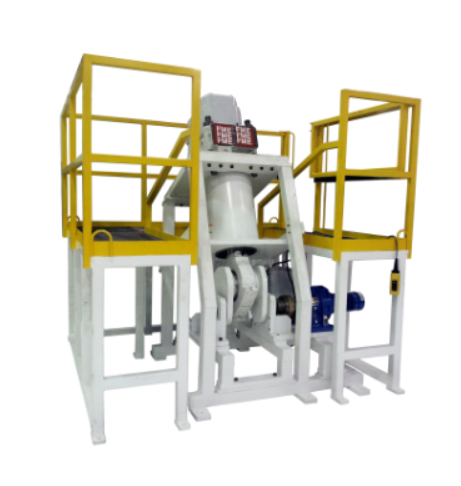
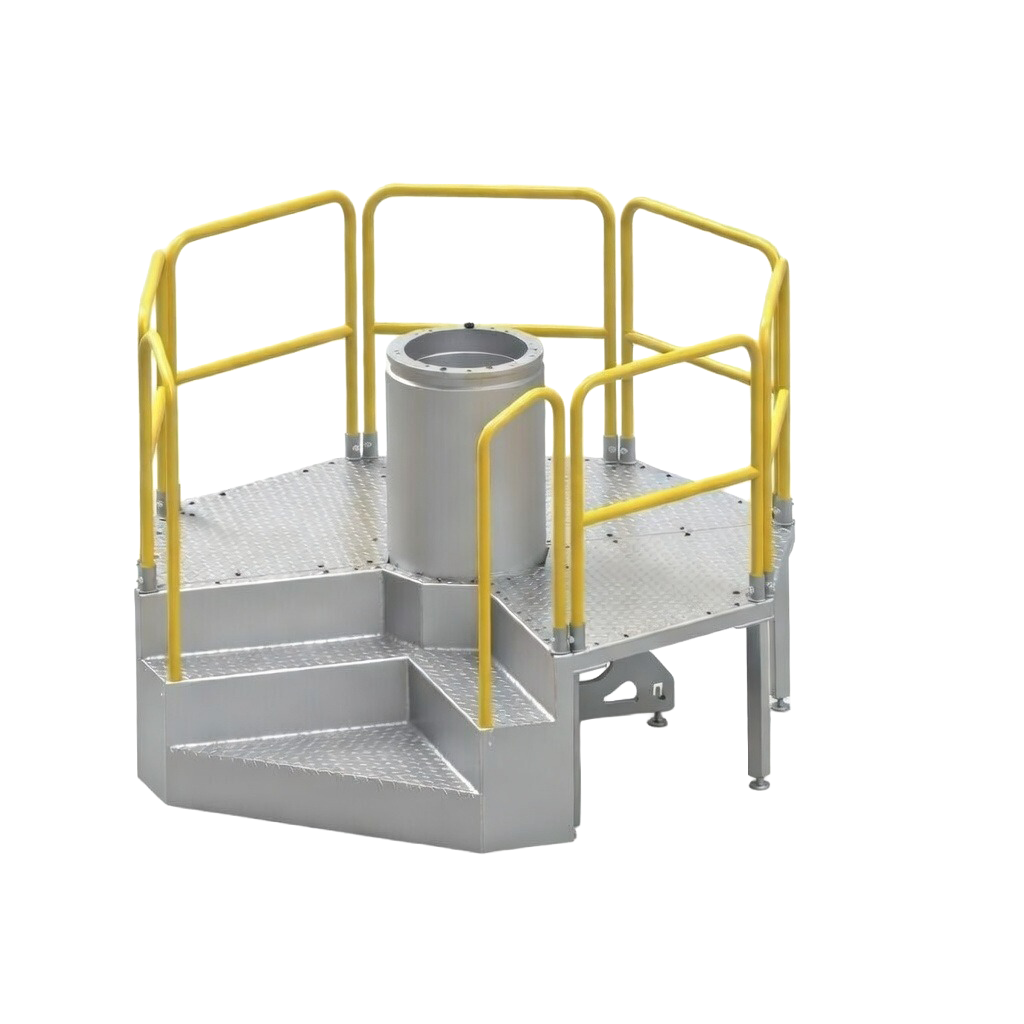
Design & Engineering Validation
Use a mockup to validate a concept before committing to production or field execution.
Process & Assembly Simulation
Prove the process before the job matters.
Primary benefit: fewer surprises that cause rework, field delays, interference issues, or safety hazards.
Training & Skill Development
Mockups allow teams to train on the procedure—not on the live system.
Proof of Concept / Customer Demonstration
When stakeholders need to see it to approve it.
Risk Mitigation Before High-Cost Execution
This is usually the real driver: avoiding costly, visible failure when execution is expensive.
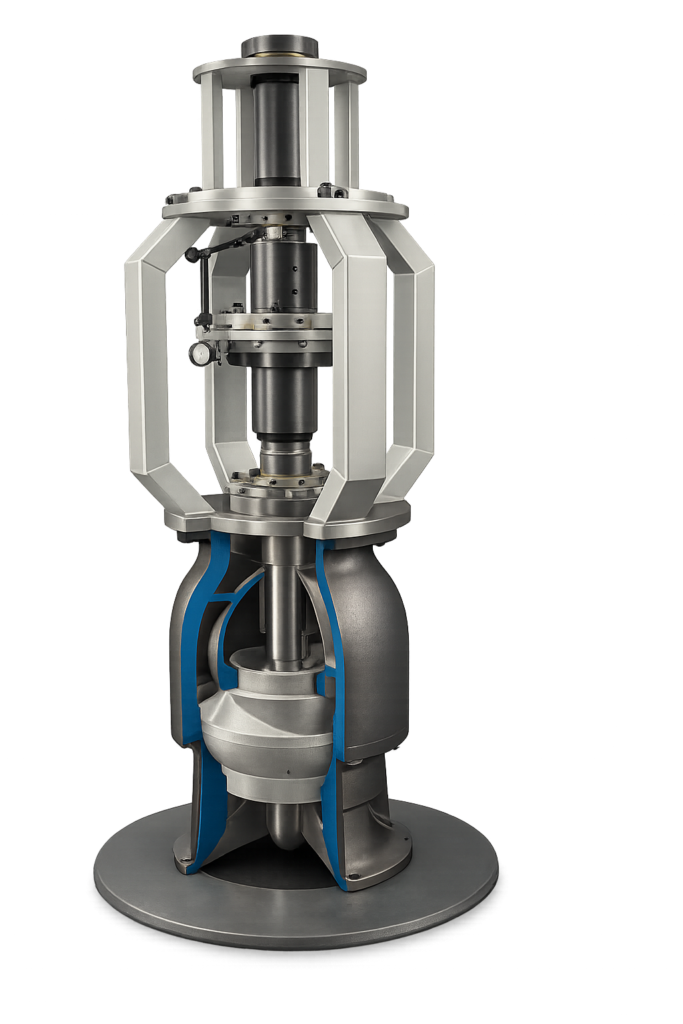
We align on what you’re trying to validate: fit, clearance, tooling access, assembly sequence, training, or stakeholder proof.
Full-scale vs. partial, functional vs. non-functional, material choices, and what must be dimensionally accurate.
Vo-Tech designs and manufactures the mockup using the appropriate mix of machining, fabrication, and additive methods.
Perform fit checks, run the procedure, identify issues, and adjust the design/process while changes are still cheap.
You get the mockup plus a clear summary of findings and recommended next steps.
To quote and build a mockup efficiently, provide as much of the following as you have:
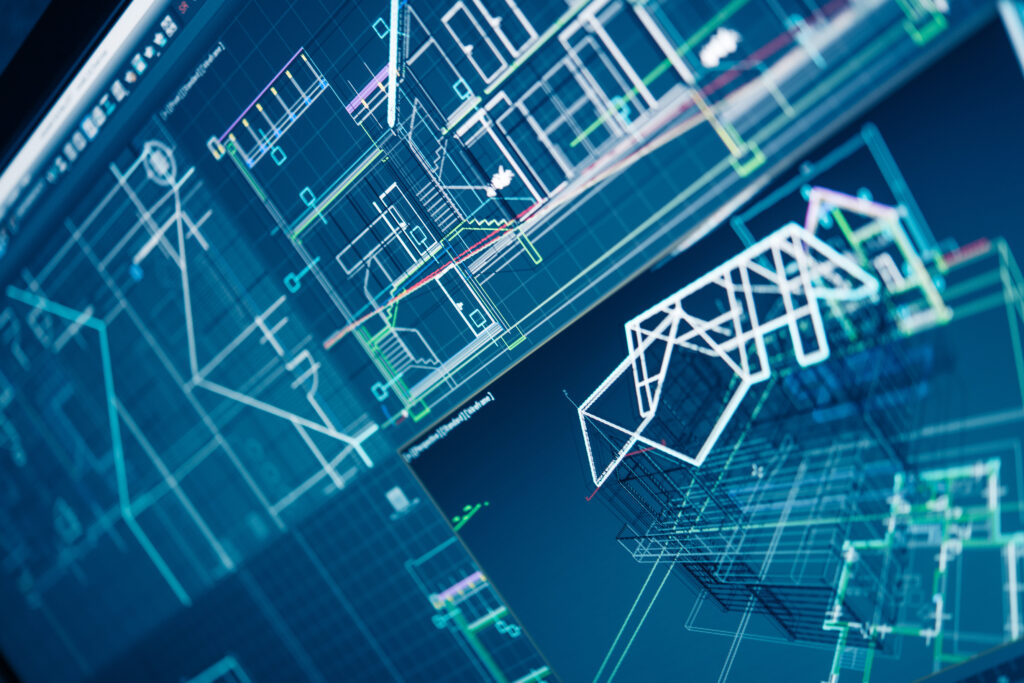
Drawings and/or CAD models (or reference dimensions if legacy hardware)
If you’re facing high-cost execution—production tooling, field machining, outage work, or regulated maintenance—mockup engineering is a fast way to eliminate unknowns and make the next step predictable.
Not always. Many mockups are built from substitute materials to validate geometry, access, and procedure while controlling cost and lead time. If functional performance or loading must be tested, we’ll define where material fidelity matters.
Yes—partial mockups are often the best value. We can isolate the interface or high-risk zone rather than building an entire system.
Yes. Training-focused mockups are common in outage planning and regulated environments, where rehearsal reduces error and improves safety.
